At first glance, your trees may look healthy. The leaves are green, the canopy looks full, and everything seems fine. But in Houston, that can change quickly during the summer months.
July brings heat, humidity, and the peak of insect activity. Many tree insects in Houston begin causing damage long before homeowners notice visible symptoms. By the time leaves start dropping or discoloration appears, the problem may already be well underway.
Understanding what to look for early can help protect your trees from long-term damage. In this guide, we will break down the most common tree insects in Houston, the signs they leave behind, and when it is time to take action.
Why Tree Insects Are So Common in Houston
Houston’s climate creates the perfect environment for insects to thrive.
Several factors contribute to this:
- Warm temperatures that accelerate insect life cycles
- High humidity that supports feeding and reproduction
- Long growing seasons that give insects more time to spread
- Trees already stressed from heat, drought, or poor soil conditions
When a tree becomes stressed, it becomes more vulnerable to infestation. If you want to understand how stress affects tree health, check out this related article:
Learn why your tree looks unhealthy before summer
Stressed trees have a harder time defending themselves, making them an easy target for pests.
Common Tree Insects in Houston (And What They Do)
Houston trees face a wide range of insect threats. Here are the most common ones and how to identify them.
Mites
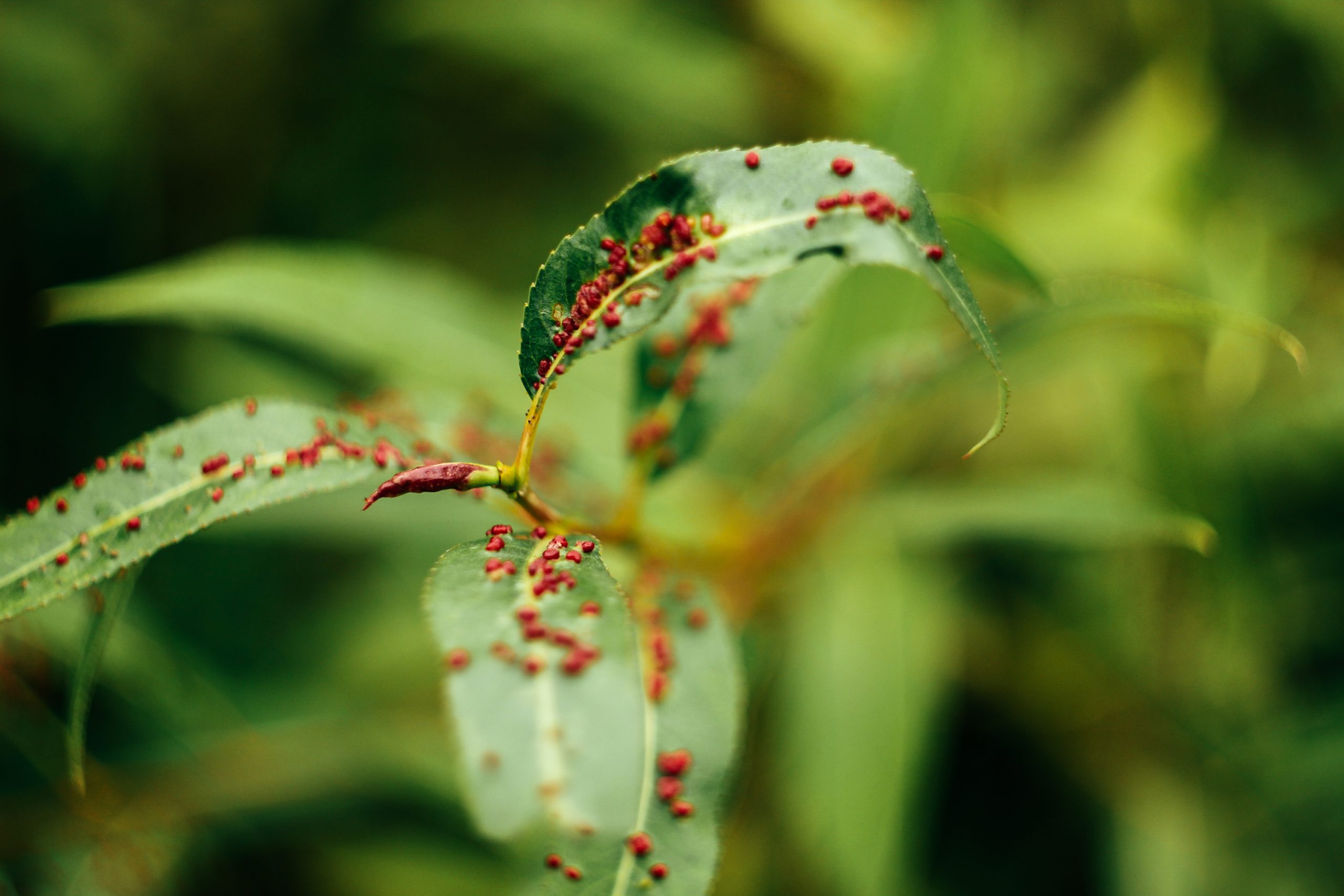
Mites are extremely small and often go unnoticed until damage becomes visible.
They feed on leaf tissue and are especially active during hot, dry conditions.
Signs of mites:
- Speckled or bronzed appearance on leaves
- Fine webbing on the underside of leaves
- Leaf drop in more severe cases
Scale Insects
Scale insects are one of the most common tree insects in Houston. They include both armored and soft scales such as Obscure scale, Euonymus scale, Oystershell scale, Lecanium scale, Cottony Maple scale, and Magnolia scale.
They appear as small, immobile bumps on leaves and branches.
Signs of scale insects:
- Yellowing leaves
- Sticky residue on leaves and surfaces below
- Black sooty mold forming on leaves
- Branch dieback over time
Scale infestations can weaken trees significantly if left untreated.
Lace Bugs
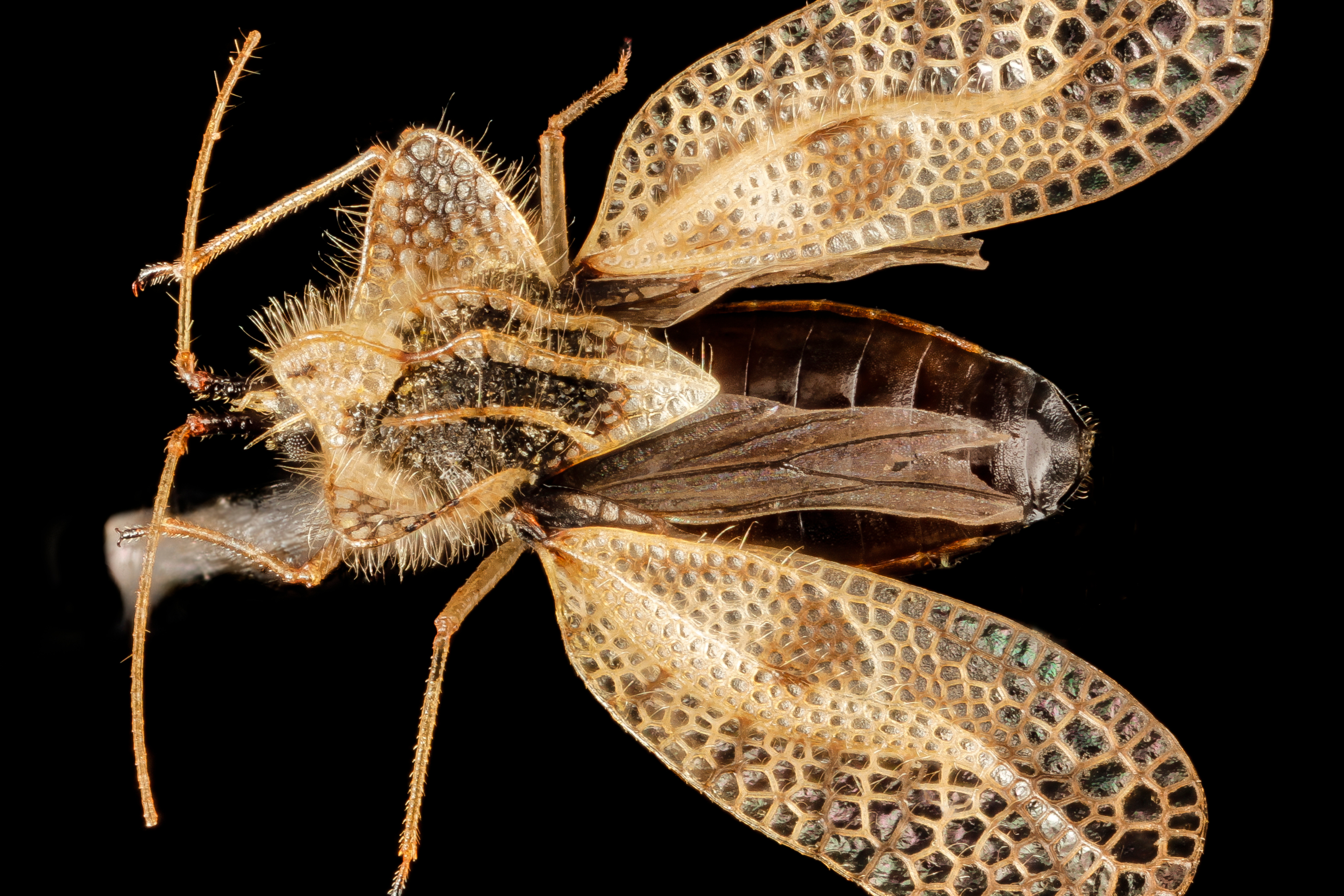
Lace bugs feed on the underside of leaves and are commonly found on ornamental trees.
Signs of lace bugs:
- Light yellow or white speckling on leaves
- Leaves appearing faded or bleached
- Black spots underneath leaves
Whiteflies
Whiteflies are small, winged insects that thrive in warm climates.
Signs of whiteflies:
- Small white insects flying up when branches are disturbed
- Sticky residue on leaves
- Yellowing and leaf drop
Aphids
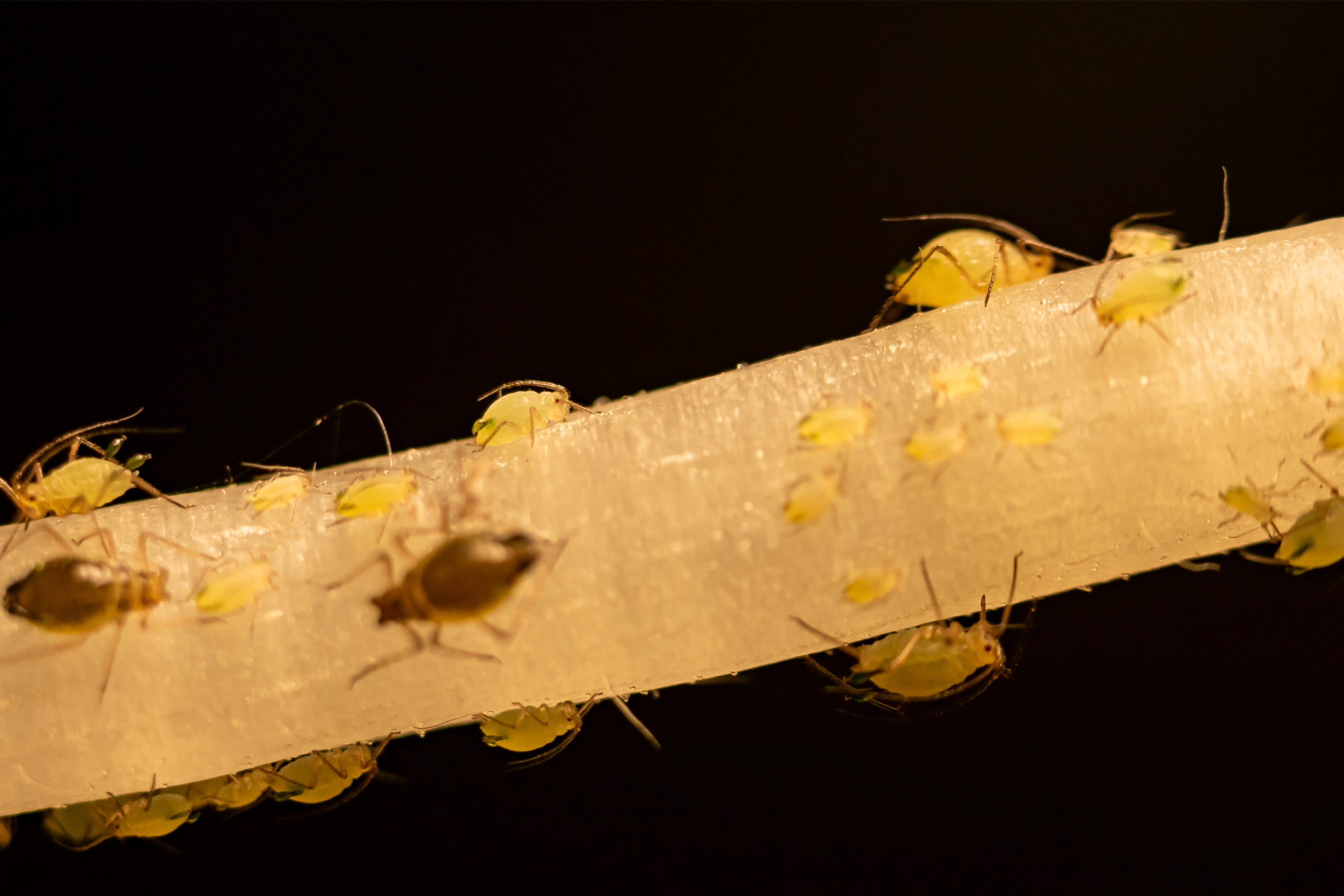
Aphids are one of the most recognizable tree insects in Houston. They reproduce quickly and often appear in large numbers.
Signs of aphids:
- Sticky honeydew on leaves and nearby surfaces
- Curling or distorted leaves
- Increased ant activity around the tree
Ants are often a sign of aphids because they feed on the honeydew produced by these insects.
Pine Bark Beetles
Pine bark beetles are a serious threat, especially to loblolly pines in the Houston area.
They tunnel beneath the bark and disrupt the tree’s ability to move water and nutrients.
Signs of pine bark beetles:
- Small pitch tubes on the trunk
- Fine sawdust at the base of the tree
- Browning needles that start at the top
If you suspect bark beetle damage, learn more here:
https://jonesroadtreeservice.com/can-pine-trees-recover-from-bark-beetle-damage/
This issue requires quick attention to prevent spread to nearby trees.
Ambrosia Beetles
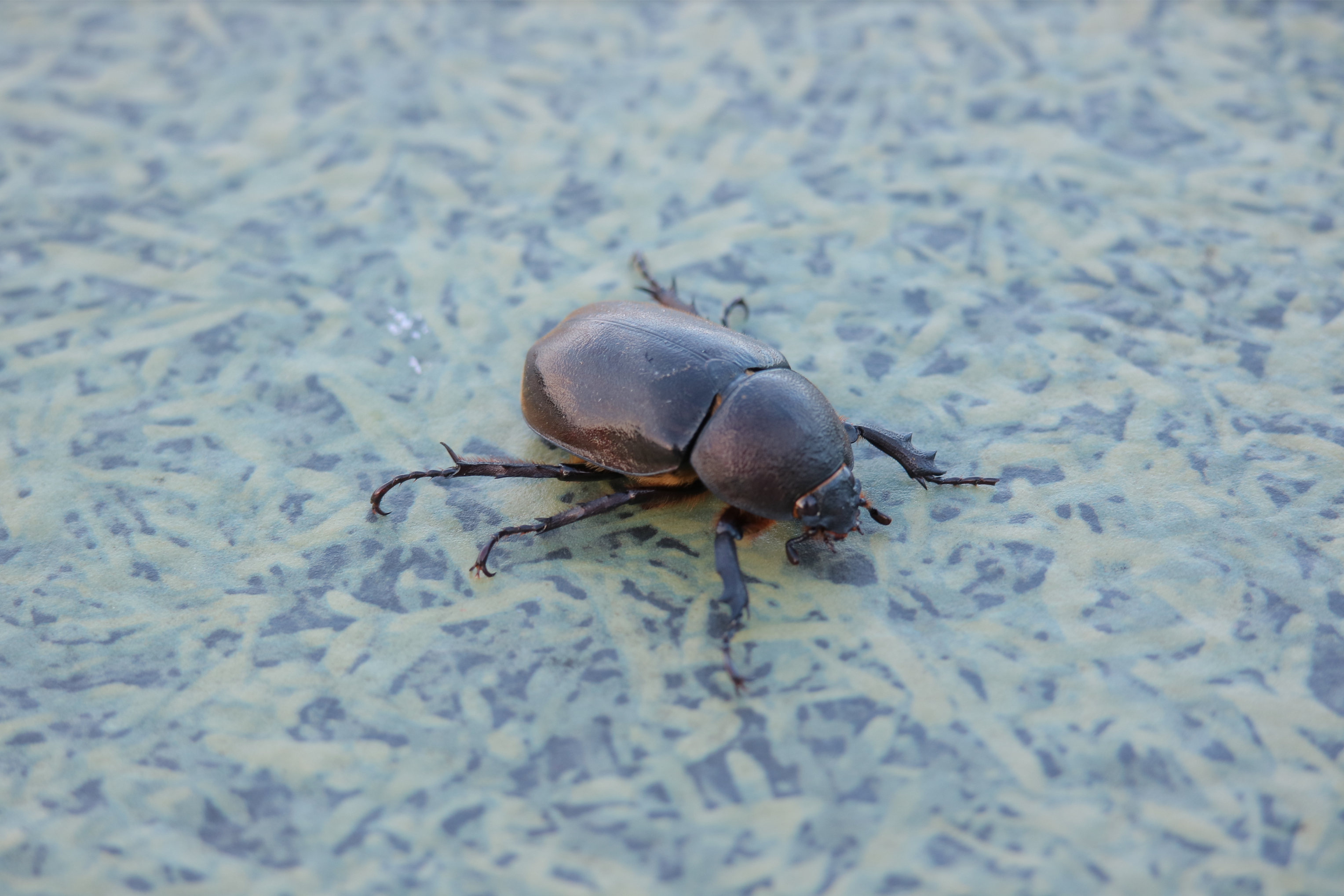
Ambrosia beetles typically attack stressed or newly planted trees.
Signs of ambrosia beetles:
- Toothpick-like tubes sticking out of the bark
- Small holes in the trunk
- Rapid decline in tree health
Early Warning Signs of Insect Damage
Even if you do not see insects directly, the damage they cause is often visible.
Watch for these signs:
- Sticky residue on leaves or surfaces below
- Yellowing or spotted leaves
- Curling or distorted foliage
- Premature leaf drop
- Thinning canopy
- Unusual growths or bumps on bark
These symptoms can sometimes be confused with disease. Identifying the correct cause is key to choosing the right solution.
Why Early Detection Matters
Insects multiply quickly in Houston’s summer heat.
What starts as a small issue can turn into a major infestation in a short amount of time.
Early detection helps you:
- Prevent widespread damage
- Protect nearby trees
- Reduce treatment costs
- Maintain overall tree health
Waiting too long allows insects to weaken the tree, making it more vulnerable to disease and storm damage.
When to Call a Professional Tree Company
Some situations require professional help.
You should call a tree company if:
- The infestation is spreading quickly
- Multiple trees are affected
- You see signs of bark beetles or borers
- The tree is showing structural decline
- The tree is near your home or other structures
A professional can identify the specific insect and recommend the safest and most effective treatment. Our Comprehensive Tree Care Package includes seasonal treatments and ongoing monitoring designed to protect your trees year-round.
Early Detection Makes All the Difference
Tree insects in Houston are common, especially during the summer months. While some infestations are minor, others can cause serious damage if left untreated.
The key is early detection. Recognizing the signs of insect activity allows you to take action before the problem becomes severe.
Healthy trees are more resistant to pests, and regular monitoring helps protect your landscape year-round.
If you are noticing signs of insect damage or are unsure what is affecting your trees, now is the time to act.
Contact Jones Road Tree Service to schedule a professional tree inspection. Our team can identify the problem, recommend the right solution, and help protect your trees through Houston’s toughest conditions.